
Take Control of Cash Flow with Smarter Age Analyses

In today’s fast‑moving business environment, visibility is everything. Knowing exactly where your money is tied up – and where it’s coming from – can be the difference between confident growth and unnecessary risk. That’s where customer and supplier age analyses come into their own. When combined with Work in Progress (WIP), they become a powerful tool for sharper financial control and better decision‑making.
What Is an Age Analysis – and Why Does It Matter?
An age analysis is a proven method for categorising outstanding invoices according to how long they’ve been unpaid. By breaking balances down into clear time periods, businesses gain an instant snapshot of their receivables and payables, making it far easier to act quickly and strategically.
Customer Age Analysis: Turn Outstanding Invoices into Action
A customer age analysis gives you immediate clarity on who owes you money and for how long. This insight allows you to:
- Get a clear overview of outstanding customer balances.
- Prioritise overdue accounts and focus collection efforts where they matter most.
- Strengthen cash flow by addressing delays before they become a problem.
With the right visibility, you’re no longer reacting to cash flow issues – you’re staying ahead of them.
Supplier Age Analysis: Stay in Control of What You Owe
Just as important as collecting money is managing what your business owes. A supplier age analysis helps you:
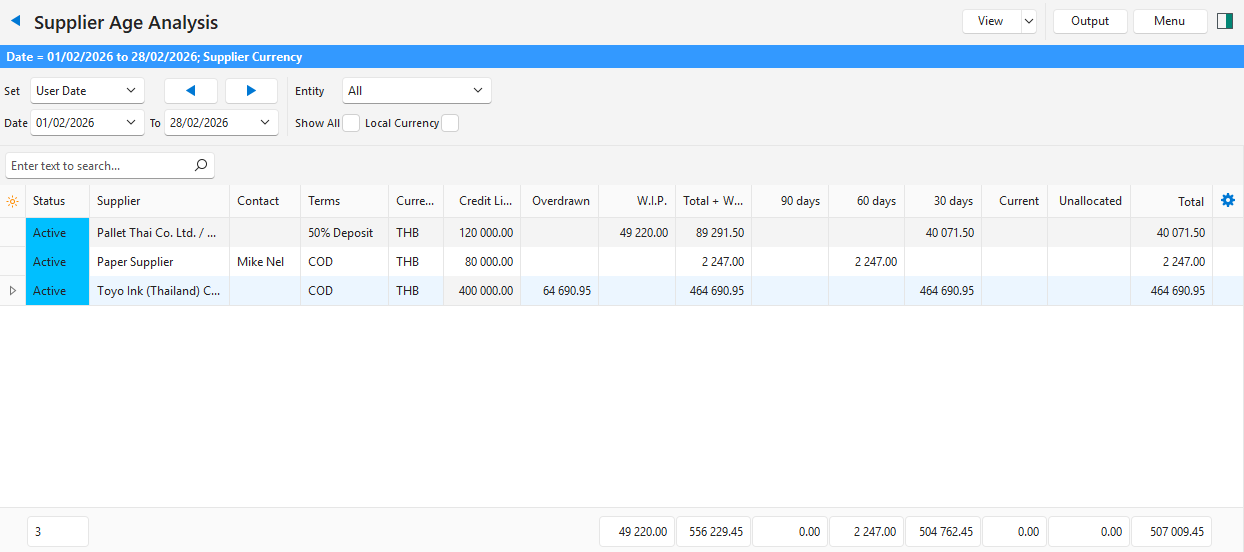
- Track outstanding supplier invoices with confidence.
- Plan payments more effectively in line with your cash position.
- Avoid late payment penalties and unnecessary supplier friction.
Paying suppliers on time doesn’t just protect your bottom line – it also builds trust and opens the door to better commercial relationships.
The Business Benefits of Regular Age Analyses
Regularly reviewing age analyses transforms financial management from a reactive task into a strategic advantage.
For customers, it supports improved cash flow and reduces the risk of bad debt by highlighting potential issues early. For suppliers, it enables smarter payment planning and helps maintain strong, reliable partnerships.
Why Including Work in Progress Makes All the Difference
To gain a truly accurate picture of your financial position, age analyses shouldn’t stop at invoiced amounts. Including Work in Progress (WIP) adds valuable forward‑looking insight that many businesses overlook.
What Is Work in Progress?
WIP represents the cost of unfinished goods or services that haven’t yet been invoiced. While they may not appear on customer or supplier statements today, they will soon translate into assets or liabilities.
The Advantages of Including WIP
When WIP is incorporated into age analyses, businesses benefit from:
- A more accurate and complete financial picture.
- Better budgeting and forecasting based on upcoming income and costs.
- Greater confidence in short‑ and medium‑term financial planning.
- Ability to manage credit limits before they are exceeded.
By accounting for what’s already in motion, you avoid surprises and plan with clarity.
How to Integrate WIP into Your Age Analyses
Bringing WIP into your reporting doesn’t need to be complicated. The key steps include identifying relevant WIP transactions such as sales and purchase orders, keeping data regularly updated, and using accounting software such as QuickEasy BOS that supports integrated reporting. When done correctly, WIP‑inclusive age analyses become a natural part of your financial management process.
Clear Insight. Better Decisions. Stronger Growth.
Customer and supplier age analyses are essential tools for any business serious about financial stability and growth. When enhanced with Work in Progress, they provide a deeper, more accurate understanding of where your business stands – and where it’s heading.
For step‑by‑step guidance and best‑practice advice on setting up and using these tools effectively, explore the knowledge base at QuickEasy Software and discover how smarter reporting can drive better results.