
The Power of Pre‑Created Substrate Items: Streamlining Estimations and Production
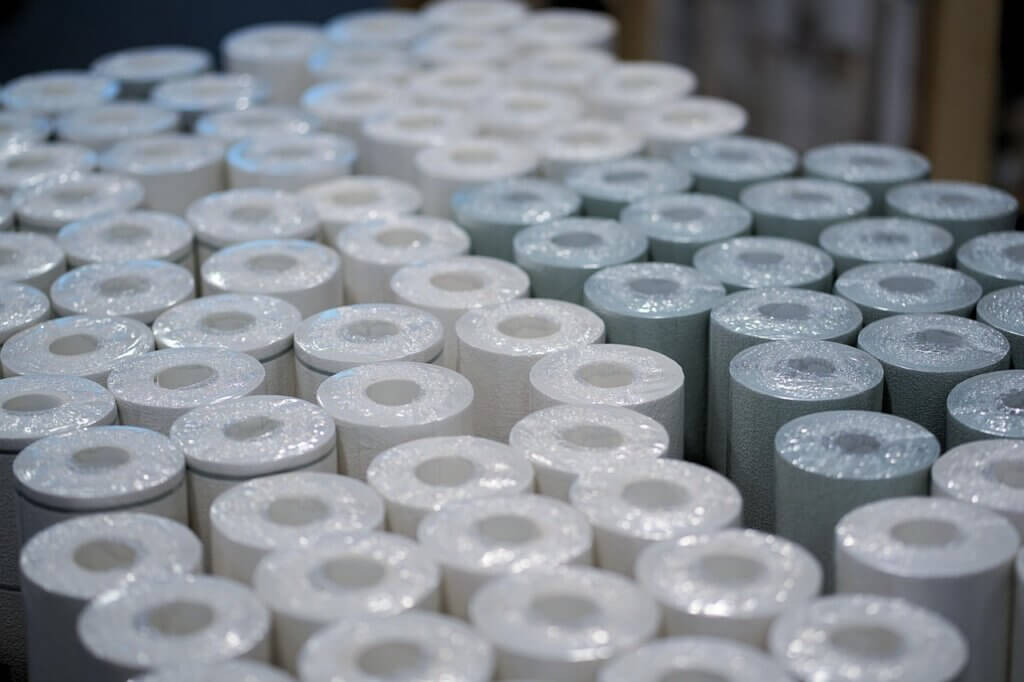
Substrates play a crucial role in various industries, particularly in printing and packaging. Essentially, a substrate is any material upon which printing or any form of artwork is applied. Common substrates include paper, fabric, metal, and plastic films. In the world of automated systems and software, having pre-created substrate items can significantly streamline operations and enhance efficiency. This article explains substrates and explores the benefits of using pre-defined substrate items in systems like QuickEasy BOS Software.
Introduction to Substrates
Substrates are foundational materials used in printing and manufacturing processes. They come in various forms, such as:
- Substrate Sheets: Typically used in printing, these are individual pieces of material like paper or plastic.
- Substrate Reels: These are continuous rolls of material, such as vinyl or fabric, used in large-scale print operations.
Pre-created substrate items in a database or software system are pre-defined records that include all the necessary attributes for these materials, facilitating easier and more accurate project estimations and inventory management.
Benefits of Pre-Created Substrate Items
Implementing pre-created substrate items in your system offers several advantages:
- Streamlined Workflow: Automating the entry of common substrates reduces manual data entry errors and saves time.
- Consistency: Ensures consistent use of substrate specifications across various projects and departments.
- Improved Accuracy: Accurate substrate details improve the precision of cost estimations and project planning.
- Inventory Management: Easier tracking and management of substrate stocks leading to better inventory control.
Substrate Attributes
Each substrate item can have a set of predefined attributes that describe its properties. These typically include:
- Name and Colour: Basic identifiers of the substrate.
- Grain/Flute: Direction or texture of the material that might affect the printing process.
- GSM (Grams per Square Meter): Indicates the weight of the material, important for quality and usage considerations.
- Calliper (Thickness): The thickness of the material, crucial for machine calibration.
- Allow Rotate: Specifies if the substrate can be rotated during the printing process to optimise material usage.
Using Attributes in Estimations
When it comes to estimating, these attributes are vital:
- Setup and Configuration: Attributes help to calculate the cost of setting up machines and processes for specific substrates, ensuring efficiency and accuracy in estimating.
- Cost Calculation: Attributes like GSM and calliper that impact the cost directly, are considered when costing a job.
- Waste Management: The percentage waste is included in the cost of producing an item so that all costs are included.
Example of Substrate Usage in Estimations
Consider a printing company that needs to estimate the cost of printing brochures on a specific paper substrate. By accessing the pre-created substrate item in their system, they can quickly gather all the necessary details like GSM, size, and colour to accurately estimate the printing cost. The estimate includes calculations for ink usage, the type of paper, the amount of paper needed, and the amount of ink and paper that is wasted.
Conclusion
Pre-created substrate items are not just a convenience; they are a strategic tool in the printing and manufacturing industries. By standardising substrate data and attributes, businesses can achieve more accurate estimations, better resource management, and ultimately, improved profitability. For more details on managing substrate items in QuickEasy Software, you can explore items in our knowledge base.